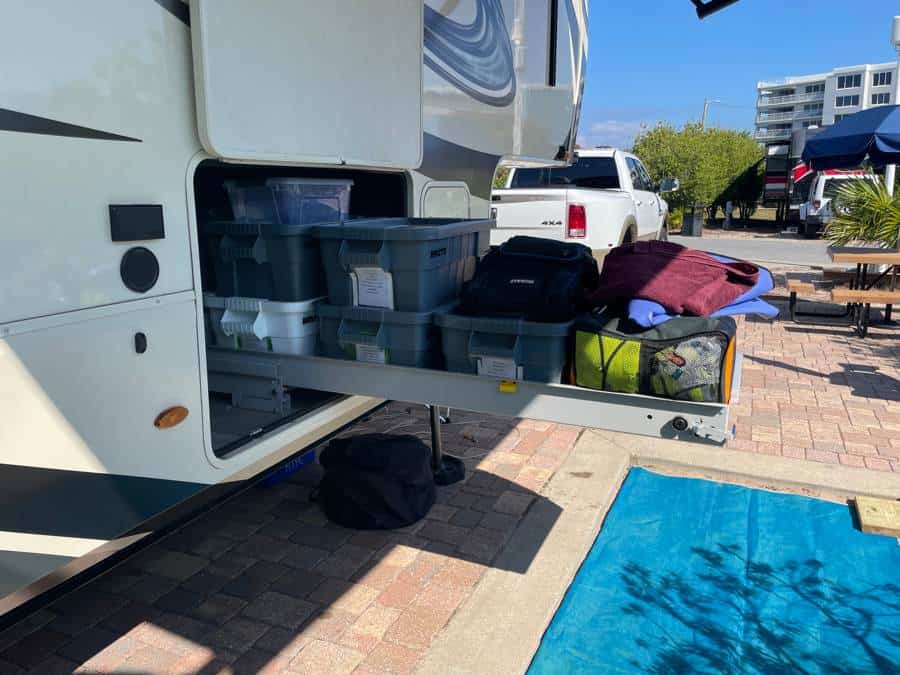

Introduction
After ten years and more than 83,000 miles on the road with our fifth wheels, Deloris and Natasha, towed by our RAM 3500 dually, Boris, Ginny, and I have learned one thing above all else: a smooth departure doesn’t start when you hook up. It starts the day before.
What I’m sharing on this page is the complete system we actually use. Not a generic checklist you’d find printed inside a new rig’s manual. This is the real-world, refined-over-a-decade process that we run every single time we break camp, whether we’re heading out for a weekend or kicking off a month-long trip.
While we were most-time RV travelers, I became a Registered RV Technician. That background shapes how I think about maintenance and safety prep. I’ve seen what happens when shortcuts are taken. This system exists so shortcuts don’t happen.
The framework has four layers:
- Routine Maintenance Checklist — the ongoing health of the rig between trips
- T-24 Hour Checklist — the day-before walkthrough that sets everything up
- T-12 Hour Checklist — the evening-before push that gets the rig buttoned up
- T-0 Hour Checklist — the departure-morning interior sweep, room by room
- Hitching Checklist — the final exterior sequence, step by step, nothing skipped
We’ll take them in order.
Our Routine RV Maintenance Schedule
Staying ahead of maintenance is what keeps a rig road-worthy trip after trip. Natasha and now Deloris have been reliable because we treat maintenance as non-negotiable, not as something we get around to when something breaks. The downloadable Excel checklist below covers everything we track on a rolling basis. Monthly, quarterly, seasonally, and annually. As a mode or fix comes up, I add it to the list. This can be a living document.
What’s in My Maintenance Kit
Over time, I’ve put together a maintenance kit that covers just about everything I need for a full run-through. Product preferences are personal, but these four have consistently earned a permanent spot in my kit:
🔧 Boeshield T-9 — Long-lasting corrosion protection and lubrication
🔧 3-IN-One Rubber Seal Conditioner — Keeps seals pliable and protected against cracking
🔧 WD-40 Dry Lube PTFE Spray — Clean, dry lubrication that won’t attract dirt or grime
🔧 Aero Wax&Wash/Aero Wash All – My go-to wash and wax
They cover lubrication, protection, and seal conditioning, four things your RV will thank you for every season.
Here is your downloadable checklist 👉 RV-Maintenance-Checklist
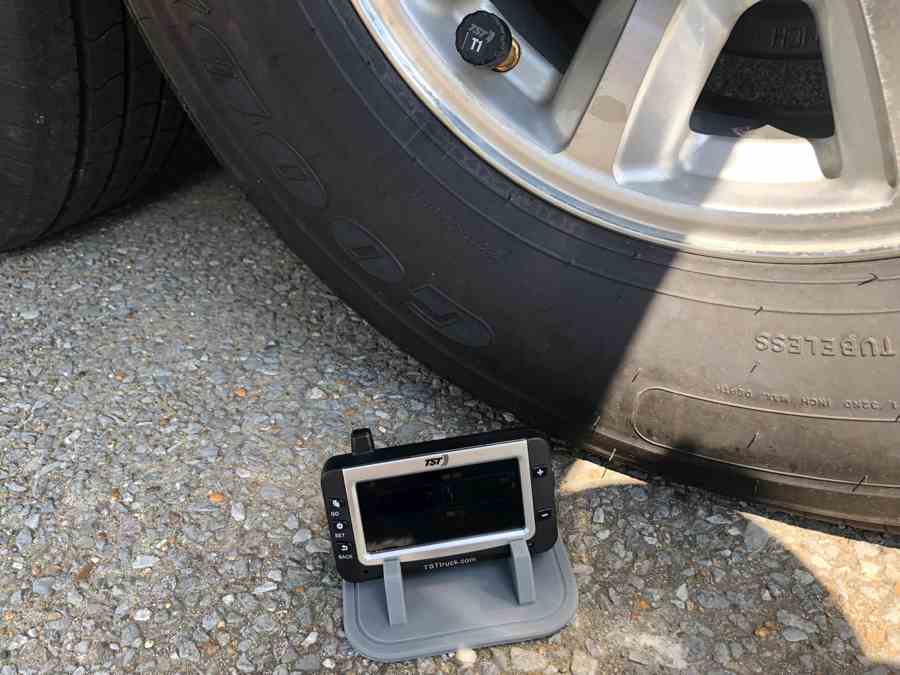
TMPS Monitor and Cap
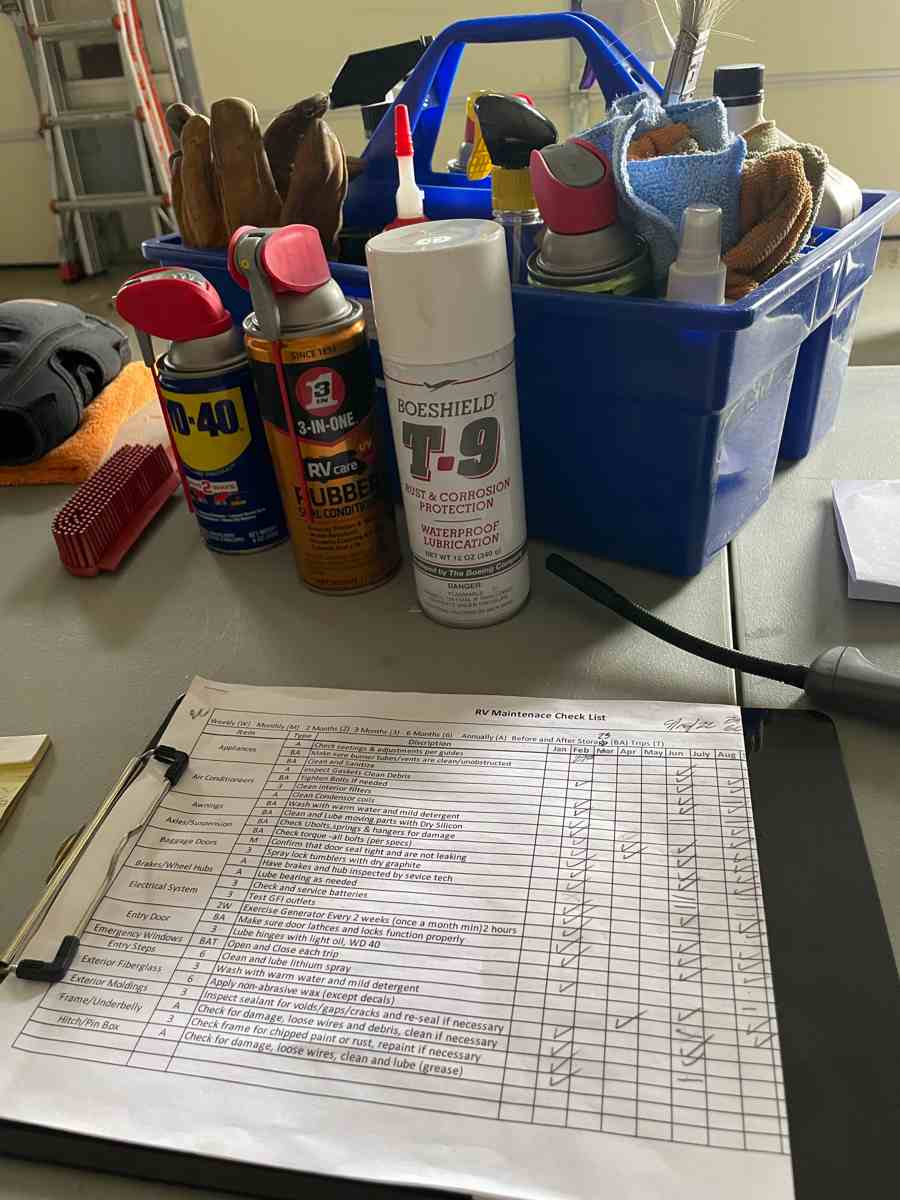
Maintenance Check List
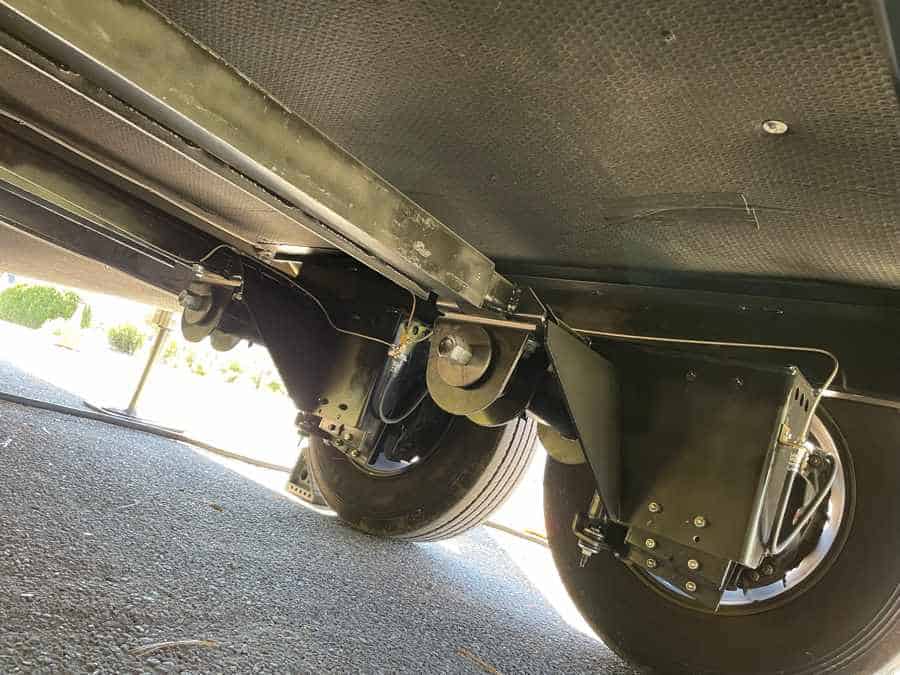
Suspension
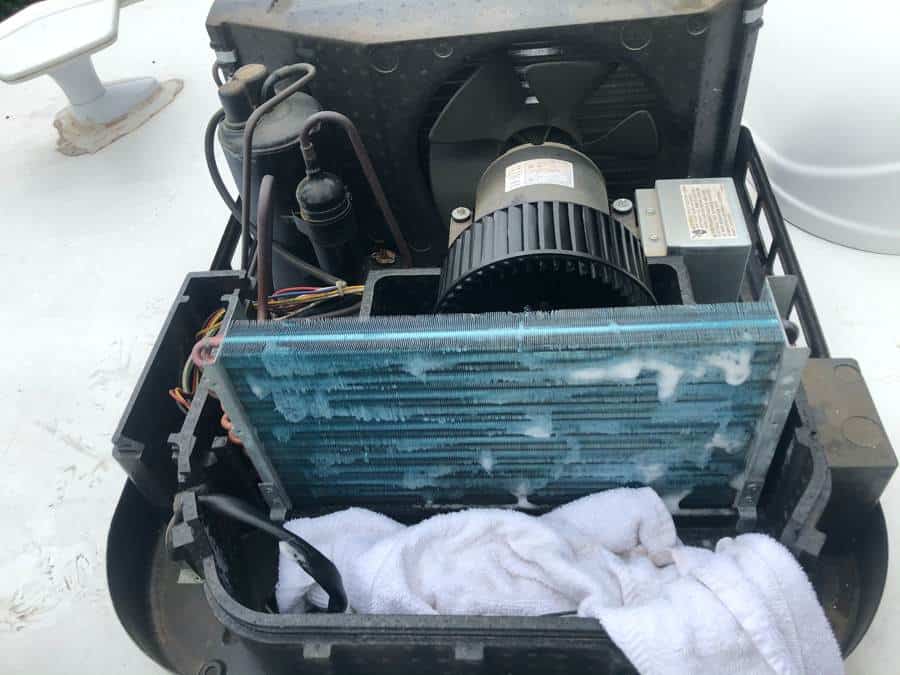
Condensor Cleaning
“Checking the RV and Truck tire pressure is part of every pre-departure routine.”
The T-24 Hour Checklist: The Day Before We Roll
 We never leave the morning of to chance. The T-24 checklist runs the afternoon or evening before any departure. Think of it as resetting the board: every system verified, every task completed so that departure day is nothing but forward motion.
Here’s what we do at T-24:
“What was once set up now must be stoved away — one less thing to do on departure morning.”
Exterior & Roof
- Sweep slide toppers, drain channels, and inspect the roof
- Inspect awnings — sweep clean and retract
- Inspect rig wheels and suspension: a visual check of leaf springs and attachment points, or in our case, MorRyde Independent suspension, looking for anything that doesn’t look right. Torque lug nuts once a month.
Tanks & Water
- Treat the black tank
- Drain grey tanks
- Dump and flush black tank (if needed — we do this whenever it’s over 2/3 full)
- Check fresh water supply; make water in Berky if needed
- Fill fresh water tank — the fill percentage depends on where we’re headed and whether hookups are waiting
Hitch & Truck Prep
- Inspect hitch bolts and connectors, including hitch head retaining pins
- Check truck tire PSI: 75 PSI front, 65 PSI rear
- Fuel the truck
Systems & Gear
- Secure the dump hose
- Check tire inflations on the rig: target 123 PSI, +/- 3 PSI. Factor in 1 PSI for every 10 degrees of temperature variance; this matters more than most people realize.
- Check two-way radio; charge if needed
- Load bikes and secure / cover
The T-12 Hour Checklist: Buttoning Up the Night Before
If T-24 is about systems and safety checks, T-12 is about getting the rig physically ready to move. This is the evening-before push, the point where the rig stops being a campsite and starts becoming a vehicle again. By the time we go to bed, everything outside should be stowed, everything inside should be secured, and the route should be planned. No morning scrambles.
- Drain and stow the fresh water hose
- Secure the pressure gauge and Y-connector
- Turn the Nautilus system to the dry camping setting
(this step also appears on the hitching checklist as a final confirmation, but we prefer to make the switch the night before whenever possible)
Outside — Everything Comes In
- Secure outside items: grill, fireplace, chairs, sand mats, flags, propane tank
- Load and secure bikes
- Bedroom window noodles taken off and stowed
- Secure dining room chairs
- Stow and secure the Berkey
- Plan route and fuel stops
The T-0 Hour Checklist: The Interior Walk-Through
T-0 is departure morning. The rig is about to become a moving vehicle, and every room needs to be treated like it. Things shift, slide, swing open, and break loose on the road, even on smooth highways. This is a room-by-room interior sweep, and we don’t start the hitching sequence until every box is checked.
A note on dogs: your four-legged travel companion deserves their own line item.
Once every room checks out, we step outside for the hitch. Everything from here on happens between Boris and the rig.
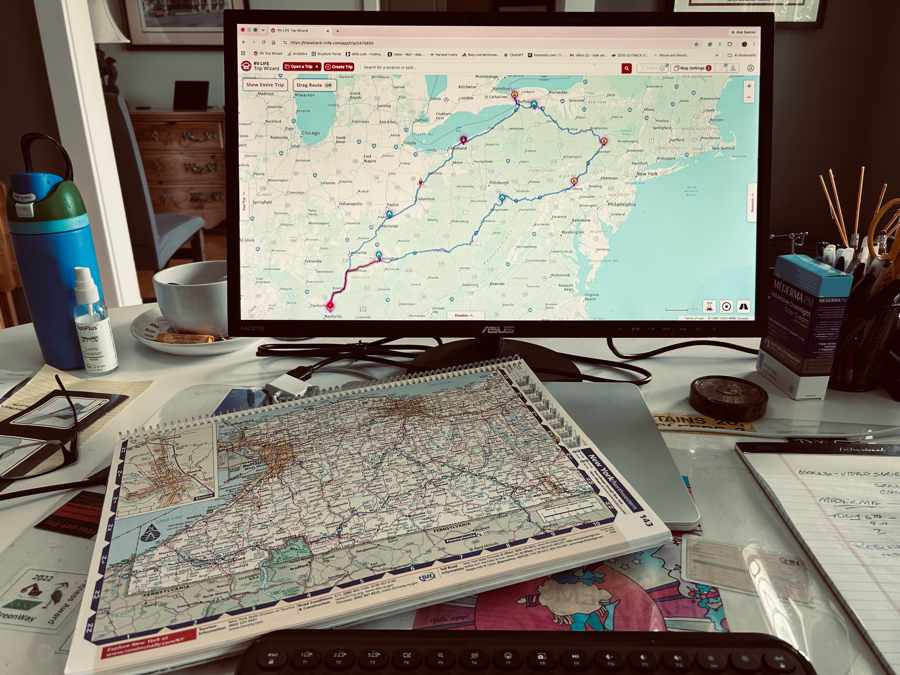
RV Road Trips
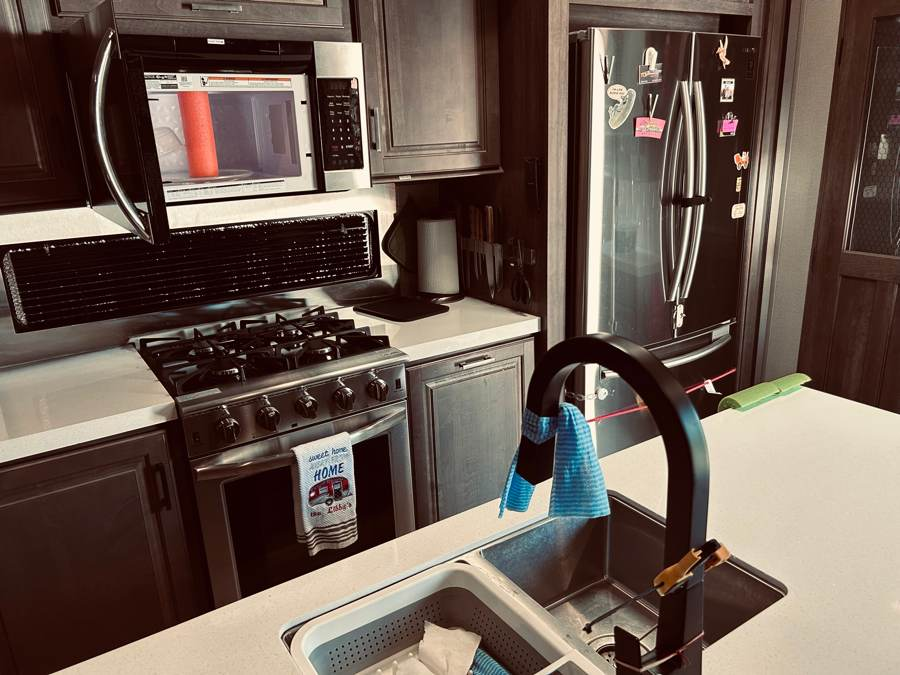
Interior Lock Down
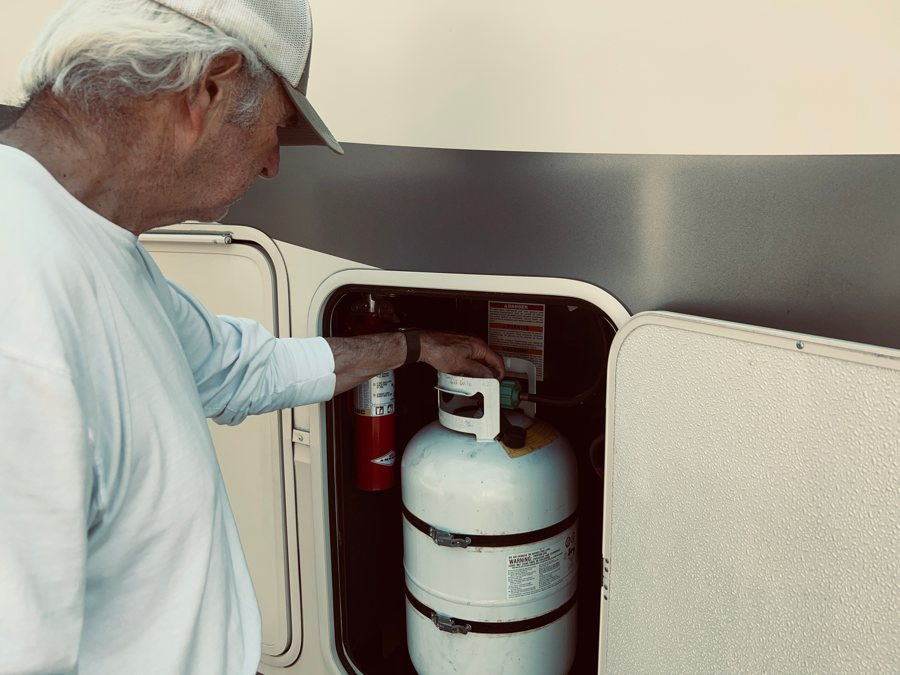
Exterior Check
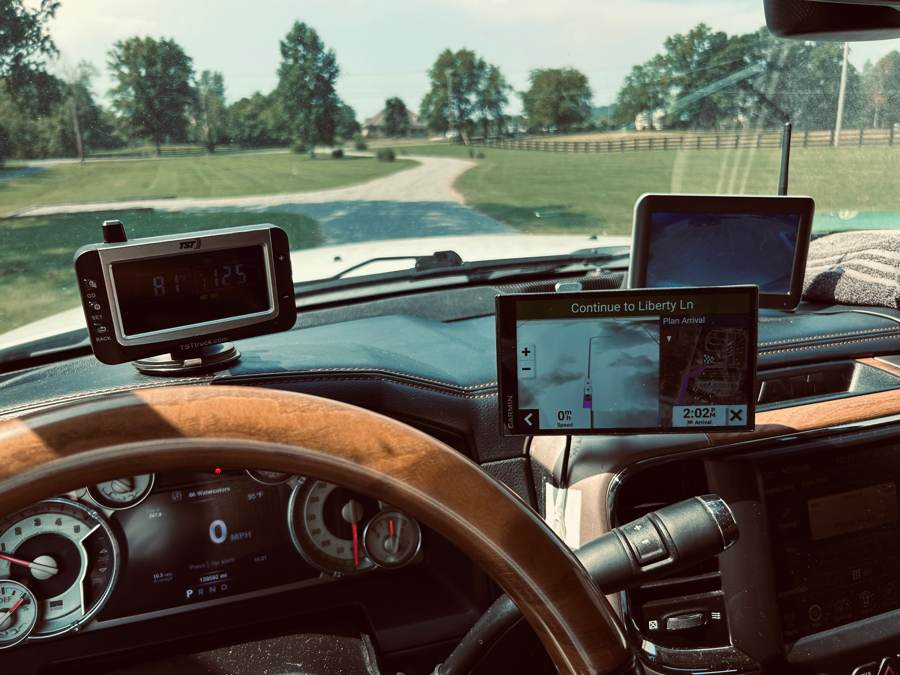
Truck Devices Live
“The last thing before we roll: Tow/Haul, exhaust brake, and mirrors confirmed.” Next: “One last loop around the RV before we pull out. Ten years in, we still do it every time.”
- Secure all interior items and shelf bars for travel
- Lock refrigerator door (red lock)
- Lock freezer strap
Living Room
- Close the vent; confirm refrigerator doors shut and locked
- Stow carpets
- Secure the chair
- Close all drawers and cabinets
- Stow plants; secure hanging vegetables and fruit
- Push countertop items back (paper towels, timer)
- Stow step stool
- All remotes stowed in the chair arm
- TV down and confirm green antenna light is off
- All USBs disconnected and stowed
- Windows closed, blinds up
- Bring living room area slides in
Your Dog
- Food and water tray put away
- Pillows stowed
- Water bottles stowed, lids tight
Kitchen
- Coffee pot and teapot secured
- Microwave: noodle in place
- Dining table extension down
- Pantry door closed
- Trash removed
- Shower secured: everything off shelves, shower door locked open
- Vent closed
- Counter items stowed
- Bathroom pocket door latched open
- Toilet seat down
- TP holder placed on its side
- Windows closed
Bedroom
- Plant stowed, dog bones stowed
- Dyson stowed with USB disconnected; vacuum attachment on the bed
- Laundry door closed
- Carpet rolled up
- Closet door latched
- Windows closed, shades up
- Final floor check: scan around and under the bed for anything left behind
- A/C and lights off
- Retract bedroom slide
Systems
- Water pump off
- Water heater off
- All lights off
- Inverter on (green button)
- Generator: run it now if campground etiquette allows — we aim for every two weeks. If not, plan a 30-minute stop during the travel day to run it.
- Remove the weather transmitter and secure it inside
- Remove step light and secure it inside
- Sweep the entry steps; stow the whisk broom
The Hitching Checklist: How We Connect Boris and Natasha
This is where decades of doing it right and watching others do it wrong really show up. Hitching a fifth wheel isn’t complicated, but it is sequential. Every step on this list exists for a reason, and the order matters. We don’t skip steps, and we don’t rush.
When every box on that list is checked, Boris and the rig are ready. Not before
- T-24 checklist complete ✓
- Truck: Turn tire monitor on, backup camera installed, GPS ready
- Rig: Forward bay door closed and latched
- Rig: Pin lock removed and stowed
- Tire pressure final check: Rig at 123 PSI, truck at 70 PSI front / 65 PSI rear
- Stow shore power cord, surge protector, and digital cable
- Check that all slides are fully retracted and steps are up
- Rig: Bring stabilizers to tow height on the leveling system port
Lining Up
- Truck: Tailgate down, ladder secured, hitch latch open
- Truck: Back slowly until you’re almost into the pin box
- Rig: Adjust kingpin height to match the proper hitch height of the truck
- Truck: Back into the kingpin
- Truck: Visually confirm the kingpin is properly seated in the hitch — don’t guess, look
Making the Connection
- Truck: Connect breakaway cable to the kingpin bar lock; connect the electrical cord
- Rig: Partially retract the front stabilizers
- Rig: Lower front stabilizers to 1″ above ground
- Truck: Manually engage trailer brakes and attempt to pull away slowly — the rig should not move
- Truck: Set the parking brake
- Rig: Retract jacks after the pull test confirms a solid connection
Final Systems & Walk-Around
- Rig: Set Nautilus to dry camp mode — relieve system pressure before switching
- Rig: Lock door, secure the handrail
- Rig: Stow wheel chocks, lock all hatches, turn propane off
- Rig: Do a full walk-around for anything forgotten
- Truck: Engage Tow/Haul mode, engine exhaust brake on, mirrors upright
- Final light check: Brakes, turn signals, running lights; have someone walk behind if you’re solo
Download the Full Checklists
Your Downloadable Departure Checklists 👉 LoveToWanderRV_DepartureChecklist
Your Downloadable Maintenance Checklists 👉RV-Maintenance-Checklist
Whether you’re a new RVer building your first system or a veteran who wants to compare notes, feel free to adapt this to your rig and your routine. Every fifth wheel is a little different. What doesn’t change is the value of having a system at all.
If you have questions about any of these steps, or if you’ve got something you’d add to your own pre-departure routine, drop me an email at Lovetowanderrv@gmail.com. We’re always curious how other folks handle this stuff.
Safe travels,
Dale & Ginny